

Anxiety and panic disorders are conditions that interfere with the individual’s daily life by complicating the processes of concentration, restful sleep, working, and engaging in ordinary activities. In some cases, doctors recommend prescription medications that could assist patients to cope with their anxiety-related problems. Xanax is the drug often mentioned in this regard.
Nevertheless, in addition to exploring the medication and its positive effect on people’s wellbeing, one needs to know about the side effects, dosing issues, dangers involved, and other aspects associated with the use of the medicine in question.
This paper will cover such topics as the use of Xanax and its side effects, will focus on the issues of Xanax dosage for panic attacks, and will discuss possible dangers connected with the use of Xanax and its side effects.
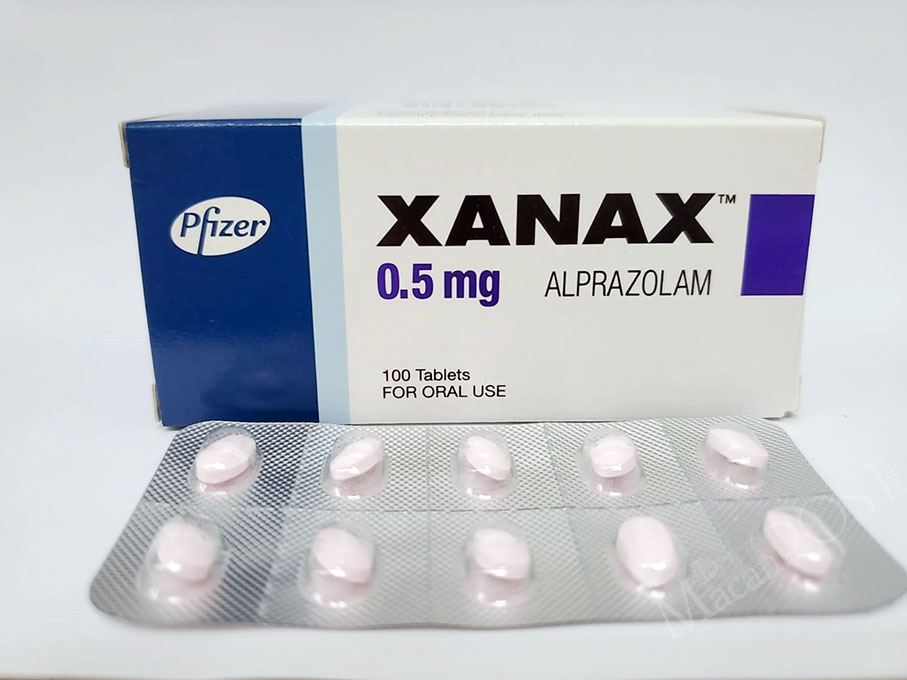
An Overview of Xanax and its Clinical Applications
Xanax is an offshoot from the benzodiazepine family of drugs, and the generic name is alprazolam. The drug works by enhancing the effects of a chemical messenger known as gamma-aminobutyric acid which has a tendency to lessen abnormal brain activity.
Alprazolam can be prescribed to treat specific anxiety disorders and panic disorders among adults. In most cases, it is used to lower fear, nervousness, and panic attacks.
Despite the usefulness of Xanax, it is not appropriate for all individuals since it can lead to side effects.
Common Side Effects of Xanax: What Do You Need to Know?
Just like any other medication, Xanax may trigger certain side effects. They may vary in severity and frequency in relation to specific health issues, other medications taken, and treatment period.
Some of the most common side effects include:
Drowsiness: Experiencing excessive sleepiness or tiredness during the day.
Dizziness: Experiencing light-headedness or difficulties with balance.
Problems with memory and concentration: Difficulties in memorizing and concentrating.
Poor coordination of movements: Difficulties with performing some physical activities.
Slurred speech: Issues with speaking or communicating.
Fatigue: Experiencing low energy.
Confusion: Experiencing difficulties with concentration.
People may have either minor or more noticeable side effects.
Short-Term Reactions That Can Be Linked To Xanax Use
The short-term reactions can be associated either with the start of treatment or with a change of the dosage prescribed by the doctor.
Since Xanax has a calming effect on the central nervous system, it can have an impact on alertness, coordination, and reaction time.
For example, one might experience drowsiness, decreased alertness, or slight unsteadiness after taking the drug.
This becomes especially crucial when carrying out actions that need attention and coordination.
Key safety tips to remember:
- Do not drive if you feel sleepy, dizzy, or less alert.
- Do not take Xanax together with alcohol.
- Report any drugs you are taking to your healthcare provider.
- Follow all instructions for taking the drug.
- Never take another person’s prescription medication.
Severe drowsiness, difficulty breathing, or inability to wake up someone require emergency medical care.
Dosage of Xanax for Panic Attacks: Key Safety Points
Dosage of any drug is an important aspect of prescribing drugs. Nevertheless, the amount of drug intake should be prescribed by a medical specialist only, and should vary from one individual to another.
Several factors define the required dosage of Xanax to treat panic attacks including:
- Severity of symptoms.
- Age and general health condition of the patient.
- Medical history of the patient.
- Other prescribed or non-prescribed medications.
- Response to the drug.
- Possibility of developing drug dependence.
These and other aspects will be considered by doctors prior to their decision about the necessity of alprazolam use.
A patient is never supposed to change the dosage without the doctor’s supervision. This may cause severe sedation and other complications.
In addition, it is important to keep in mind that Xanax is not an effective medication for everyone having panic attacks or suffering from anxiety disorders.
Xanax Side Effects Long-Term Use: Understanding Potential Risks
One of the most important considerations when discussing Xanax is the possibility of complications associated with prolonged use.
Although the medication may be prescribed for certain conditions, continued use requires regular medical evaluation.
Here are some important long-term concerns.
1. Physical Dependence
Regular use of Xanax can cause the body to become physically dependent on the medication. This means the body may adapt to its presence over time.
Physical dependence does not necessarily mean addiction, but it can make stopping treatment more complicated.
2. Tolerance
Some individuals may develop tolerance after repeated exposure. This means the medication may produce a reduced effect over time.
Patients should never respond to reduced effectiveness by increasing their dose independently. A healthcare professional should review the treatment plan.
3. Memory and Concentration Problems
Long-term benzodiazepine use may affect memory, attention, and mental alertness in some individuals.
These changes can interfere with everyday activities, work responsibilities, and personal routines.
4. Withdrawal Symptoms
Stopping Xanax suddenly after continued use can cause withdrawal symptoms.
Possible symptoms include:
- Increased anxiety.
- Sleep disturbances.
- Sweating and shaking.
- Difficulty concentrating.
- Muscle discomfort.
- Seizures in severe cases.
Withdrawal can sometimes become life-threatening. Therefore, patients should never discontinue regular Xanax treatment suddenly without medical guidance. A healthcare professional can develop an individualized, gradual reduction plan.
5- Possibility of Misuse and Abuse
Xanax has proven to have high misuse, abuse, and addiction potential.
Using higher doses than recommended, using a drug without prescription or while experiencing adverse reactions may elevate such risks.
Such aspects make medical supervision very necessary.
Dangerous Drug Combinations to Be Avoided
Interaction of medications is another important aspect of prescription safety.
Using certain substances along with Xanax can intensify its impact on the central nervous system.
Especially dangerous combinations are the following:
Alcohol: The combination of alcohol and Xanax can lead to extreme sedation and dangerous breathing problems.
Opioid medications: Such a combination increases the risk of respiratory depression, coma, and even death.
Sedatives: Sleeping pills and other depressants of the central nervous system may cause increased sleepiness and impaired coordination.
The patient needs to give his healthcare provider information about all drugs he uses.
How to Approach Anxiety and Panic Disorder Safely
Medication is only one part of managing anxiety-related conditions. A broader treatment approach may help individuals improve their overall well-being.
Depending on personal circumstances, healthcare professionals may discuss:
- Cognitive behavioral therapy (CBT).
- Stress-management techniques.
- Regular physical activity.
- Consistent sleep routines.
- Relaxation and breathing exercises.
- Other appropriate treatment options.
These approaches can help individuals develop healthier ways to manage anxiety and recognize situations that trigger panic symptoms.
The right treatment plan should be based on an individual’s symptoms, medical history, and professional evaluation.
Frequently Asked Questions (FAQ)
1. What are the most common Xanax side effects?
Common side effects include drowsiness, dizziness, fatigue, memory difficulties, impaired coordination, and changes in concentration. The severity can vary between individuals.
2. Can Xanax cause long-term health problems?
Prolonged use may increase the risk of physical dependence, tolerance, memory-related difficulties, and withdrawal symptoms. Regular medical evaluation is important.
3. What should people know about Xanax dosage for panic attacks?
Dosage depends on individual medical needs, health conditions, and treatment response. A qualified healthcare professional must determine the appropriate prescription and monitor its effects.
4. Is it safe to stop taking Xanax suddenly?
No. Suddenly stopping Xanax after continued use can cause serious withdrawal symptoms, including seizures. A medically supervised gradual reduction may be necessary.
5. Can Xanax be taken with alcohol?
No. Combining Xanax with alcohol can increase sedation and cause dangerous breathing difficulties. This combination should be avoided.
6. Does long-term Xanax use cause dependence?
Yes. Continued use can lead to physical dependence. The risk generally increases with longer treatment duration and higher daily doses.
7. When should someone seek medical attention after taking Xanax?
Seek emergency medical assistance if someone experiences severe breathing difficulties, extreme sleepiness, loss of consciousness, or cannot be awakened normally.
Conclusion
Understanding Xanax side effects is essential for anyone researching anxiety medication and prescription safety. Although alprazolam may help manage certain anxiety and panic-related conditions, it also carries important risks, including sedation, physical dependence, withdrawal reactions, and potential misuse.
Learning about Xanax uses and side effects, understanding dosage considerations, and recognizing the concerns associated with long-term use can help patients make more informed healthcare decisions.
Most importantly, Xanax should only be used under appropriate medical supervision. Never change a prescribed dose or stop regular treatment without consulting a healthcare professional.