

Panic attacks and ongoing anxiety can mess with daily life. You may struggle to focus sleep or get through work. It can also make normal activities harder to do. Doctors may include certain prescription drugs in an anxiety plan. One example is Xanax also called alprazolam. Xanax is in the benzodiazepine group.
Before you start taking it, it helps to know what the medicine does. You should also learn why a clinician might prescribe it and what problems can show up after starting. Below is an overview of Xanax uses and side effects. It also covers dosing ideas for panic attacks and what to watch for with long-term use.
Understanding Xanax and Its Role in Anxiety Treatment
This drug changes how signals move in the brain. That can lower too much overdrive in the nervous system.
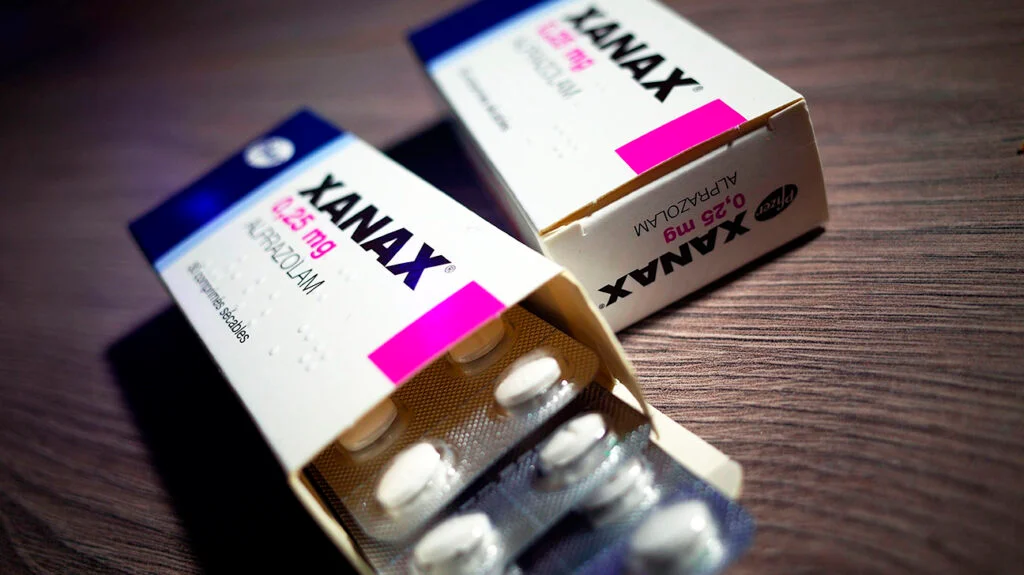
A doctor might use Xanax when someone has anxiety. One example is panic disorder. Still, benzodiazepines can lead to dependence. They can also bring other serious risks. So clinicians tend to use them with care. The length of treatment is usually set by the same clinician.
Xanax is not a fit for every person. A provider may look at age first. They may also review current health problems other medicines you take and any past issues with substance use. They may also ask how you reacted to medicines that cause sedation in the past.
Xanax: Uses and Possible Side Effects
When you take a prescription drug it helps to know why it was given and what side effects can happen.
Common reasons alprazolam may be prescribed
- Some anxiety conditions
- Panic disorder
- Short-term help for very bad anxiety symptoms if a clinician thinks it fits the situation
Always follow the dose on your prescription. Using more than you were told will not mean your symptoms will improve faster. It can also raise the chance of side effects.
Possible side effects
Some individuals might notice:
- Feeling sleepy
- Feeling lightheaded
- Feeling worn out
- Less steady movement
- Trouble focusing
- Feeling less alert or more sedated
- Blurred or unclear speech
These issues can show up more at the start of treatment or after a dose change.
If you have strong symptoms strange symptoms or symptoms that do not go away call a healthcare professional for guidance.
Xanax Dosage for Panic Attacks Why Personal Advice Counts
You might see many suggested xanax doses for panic attacks on the internet. Still, one number is not right for everyone.
A clinician picks the dose after looking at several points. These can include your symptoms your age past health issues and any other medicines you take. They also consider how you responded before if you have taken it in the past. They will think about how likely dependence could be for you.
Here is what patients are often told to do
- Take xanax only as it was prescribed.
- Do not raise the dose on your own.
- Do not take extra doses after you miss one, unless a clinician tells you to.
- Read and follow the label on the bottle.
- Talk to a healthcare professional before changing the plan or stopping.
With alprazolam regular use can lead to physical dependence. If you stop suddenly withdrawal symptoms can happen. A clinician may suggest stepping down the dose slowly instead of stopping all at once.
More Xanax is not a safe way to cope
If anxiety or panic keeps coming back, it can feel like more of the drug might calm things down quicker. Still, taking extra beyond what was prescribed can make you overly sleepy and can lead to other serious problems.
Using too much can slow the central nervous system. The risk goes up a lot if Xanax is mixed with alcohol, opioids, or other medicines that also make people drowsy.
Because of this follow the dosing instructions exactly. Also talk with a healthcare professional about every medicine supplement and substance you are using.
Xanax side effects from long-term use key points
It matters to know about Xanax side effects in long-term use. Extended use of this type of medicine needs close care from a clinician.
Using it over a long period or using it again and again, can raise the chance of physical dependence. Some people also notice tolerance, where the dose starts to work less well.
Here are possible issues people report with longer use:
- Physical dependence
- Withdrawal symptoms if the medicine is stopped
- Slower reaction time or reduced alertness
- Trouble with memory or focus
- Ongoing sleepiness
- Higher chance of falls, especially for older adults
- More risk when Xanax is taken with other drugs that cause drowsiness
Not everyone faces the same level of risk. If someone stays on treatment long term, they should talk with their healthcare professional often and check whether the plan is still appropriate.
Understanding Dependence and Withdrawal
Dependence and withdrawal can sound similar, but they are not the same thing. Also, dependence does not always mean addiction. Both can happen with some medicines, including alprazolam, and sometimes it takes a clinician’s input.
With alprazolam, the body can adapt over time. If someone stops right away, withdrawal symptoms may show up. People may feel more anxious than usual. They may have trouble sleeping. Others notice irritability, restlessness, or sweating. Tremors can occur too. Some people also report other uncomfortable effects.
Important Medicine and Substance Interactions
Because of that, anyone who has been taking Xanax on a regular schedule should not stop it suddenly on their own. A doctor or other healthcare professional can advise whether a slower taper is needed.
Xanax and other substances can affect each other. In some cases, the mix can make a person very sleepy and can become dangerous.
Be extra careful if you use it with:
- Alcohol
- Opioid pain medicines
- Other benzodiazepines
- Medicines for sleep
- Certain drugs that affect the brain and nerves
Tell your doctor and your pharmacist about every medicine you take. Include items you buy without a prescription. Also include vitamins, herbs, and supplements.
Do not drink alcohol while you are taking alprazolam. This is unless a clinician tells you it is ok.
When to Get Urgent Help
Some warning signs mean you should get help right away. Call emergency services if a person on Xanax has:
- Trouble breathing that is severe
- Very strong sleepiness or they cannot be awakened
- Fainting or passing out
- Severe confusion
- Major trouble with balance or movement
- Symptoms of a serious allergic reaction
Mixing alprazolam with opioids or other sedating drugs raises the chance of harmful drowsiness.
Safer Habits for Prescription Anxiety Medicines
Medication safety is more than just using the right prescription. Small daily choices can lower the chances of preventable harm.
Try to do the following:
- Take your medicine exactly as written on the label.
- Do not give your prescription pills to anyone else.
- Store the medication in a safe place where others cannot access it.
- Skip alcohol, and talk to your clinician about any drugs that may make you sleepy.
- Avoid driving or using tools or machines if you feel drowsy, slowed down, or not fully alert.
- Go to check-ins or follow-up visits when you are told to.
- Get advice before you change your dose or stop your plan.
Taking these steps can help people use their prescription anxiety medication in a safer way.
Questions to Ask Your Doctor or Pharmacist
If you are starting Xanax, or if you plan to keep taking it, you can ask:
- Why are you recommending this for me?
- What is the correct way to take it?
- How long do you expect me to use it?
- What side effects might happen?
- Will it affect any of my other medicines?
- What should I do if I forget a dose?
- If I need to stop, how do I stop safely?
- Are there other options besides medicines that could help?
Talking openly with your care team can help you understand the possible benefits and the possible risks.
Final thoughts
Learning what Xanax can do, and what side effects may show up, can help people think through their options for anxiety care. Alprazolam is sometimes given for anxiety or panic related problems. Still, it may lead to sleepiness, drug dependence, withdrawal effects, and other concerns.
There is not one right Xanax dose for panic attacks that fits everyone. A dose should not be picked on your own. The plan needs to match the person, and it should be set with a healthcare professional.
Side effects from long term use also need attention. If someone takes alprazolam over time, they should talk with their clinician about the continued plan. Stopping suddenly can be risky, so medical guidance matters.
In general, the best path is to take the prescription as written, be aware of possible drug interactions, watch for warning signs, and keep in touch with a healthcare professional.